Planning a Visit Around Local Pace
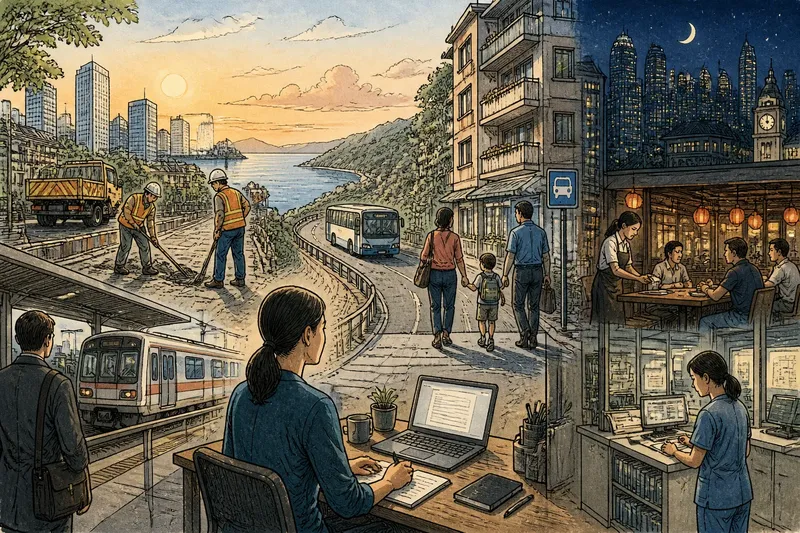
Planning a visit around local pace leaves room for changing hours, nearby alternatives, and small encounters without making every hour an appointment.
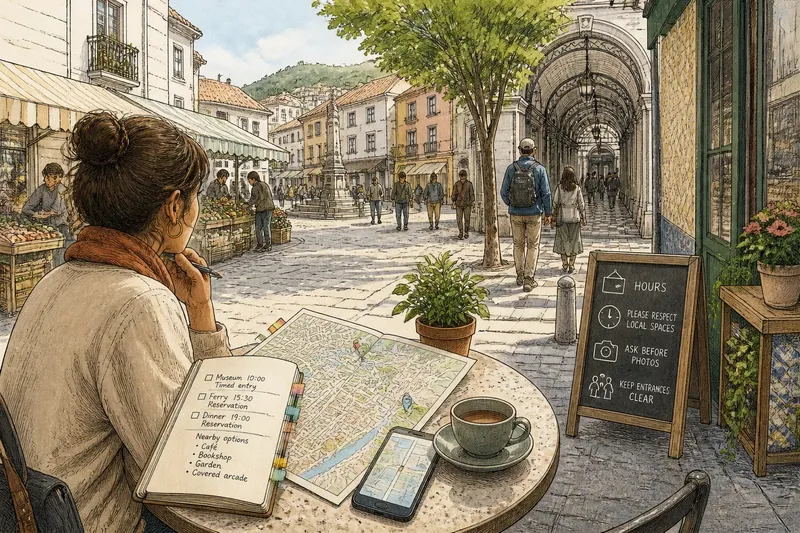
The common mistake in planning a visit around local pace is treating a destination list as a schedule. The cost is arriving after a small venue has closed, then crossing town to recover a day that could have unfolded nearby. A more useful plan starts with the places that set the day’s rhythm: transit, meals, public spaces, and the few attractions that require a reservation.
How do opening hours shape a visit around local pace?
Check current hours for the specific day you plan to go. A museum may publish regular hours while a neighborhood market or independent bakery posts changes on its own site or social feed. Confirm the detail that affects your choice, such as a weekly closure or timed entry, rather than assuming every local business follows the same pattern.
Group possible stops by neighborhood and note one nearby alternative for each fixed destination. A saved map can show whether the alternative is a café, covered arcade, public garden, or another indoor place. This keeps a change of plan local instead of turning it into a hurried trip across town.
Which parts of the day need a reservation?
Keep fixed only the commitments that depend on a particular time, such as a ferry departure, a timed museum ticket, or a booked meal. Leave open space around them. A reservation is like a bookmark: it marks a place in the day without requiring every page around it to be read at the same speed.
Before setting out, check the route to each commitment and identify a comfortable place to wait nearby. If the route depends on transit, save an alternative route or confirm where to find current service notices. The decision is simple: if a delay would make the next commitment stressful, move or drop that commitment rather than stacking another appointment close behind it.
How can you keep a loose plan actionable?
Choose one broad area for a stretch of the day and keep a short list of nearby options. Save addresses offline, group them on a map, and note which places have entry requirements. Then decide on the next stop after you arrive, when you can see the weather, crowds, and your own energy.
Say you have a timed museum entry, a nearby bookshop, and a lunch reservation across town. Imagine the museum visit runs longer than you expected. You check the route and see that keeping the lunch booking would mean rushing; you call the restaurant to ask whether it can move the reservation. If it cannot, you choose lunch near the museum and leave the bookshop for another day. The visible result is a day with one fewer planned stop and no hurried cross-town transfer; the tradeoff is missing the original lunch booking.
What does a considerate visit look like on the ground?
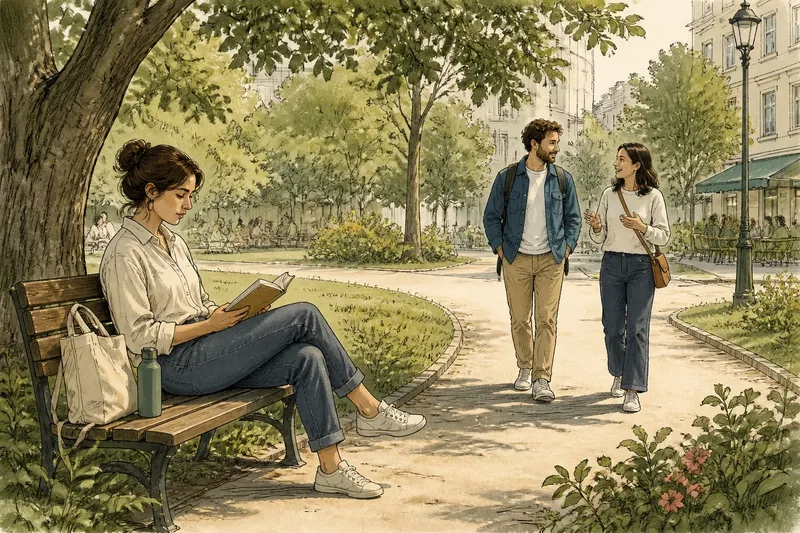
Pay attention to how a place is being used, not just how it appears on a map. A narrow sidewalk, busy doorway, or line for a shop may be part of residents’ ordinary routines. Keep entrances and paths clear, follow posted photography guidance, and ask staff before entering a space whose access rules are unclear.
Do not treat local habits as clues to decode or imitate. A public square may invite visitors to sit, while a shop counter may be busy with people trying to get on with their day. When you are unsure, choose the action that leaves others room and ask a staff member if the answer affects where you may go or what you may do.
What changes should make you adjust the plan?
Use a few visible conditions to make the next decision, rather than pushing through a plan that no longer fits:
- If the venue’s own notice shows it is closed, choose the nearby alternative you saved; if none is suitable, switch to a public space in the same area.
- If a transit notice shows a disruption on your route, check another route before leaving; if the alternative adds too much uncertainty, stay in the current neighborhood.
- If a queue blocks a narrow entrance or sidewalk, move out of the flow; if waiting there remains uncomfortable, choose another nearby stop.
- If rain or heat makes an outdoor walk unpleasant, use the indoor option you noted; if that option is also crowded, return to a comfortable place to rest.
- If you notice you are no longer taking in your surroundings, pause at a café or bench; if a break does not help, end the outing and return to your lodging.
- If signs or staff indicate that photography is restricted, put the camera away; if the guidance is unclear, ask before taking pictures.
These choices are not a formula for how a neighborhood should feel. They are practical ways to keep an itinerary responsive to access, comfort, and the needs of people who use the place every day.
Which questions help you choose what to do next?
How many fixed plans should I make?
Keep only the commitments that depend on a specific time, then leave the surrounding hours open. If travel between them would make the day feel hurried, remove a commitment or move it to another day.
Should I rely on posted opening hours?
Use current hours from the venue itself to avoid arriving when it is closed. If its notices are unclear, contact the venue or choose a nearby option that does not depend on uncertain access.
What if a neighborhood is crowded?
Step away from the busiest route if you can do so comfortably, and keep entrances and sidewalks clear. If the area still feels difficult to move through, choose a calmer activity nearby or leave.
How can I tell whether it is appropriate to linger?
Look for public seating and posted guidance, and notice whether your presence blocks a doorway, path, or service point. If access is uncertain, ask staff; if lingering would obstruct others, move to a place intended for sitting.
How should your notes help you travel?
For planning a visit around local pace, keep notes that settle practical questions: current hours, a few time-bound reservations, routes, and nearby alternatives. Leave the rest undecided. If the day changes, you can make a clear choice without mistaking a full itinerary for a successful visit.